
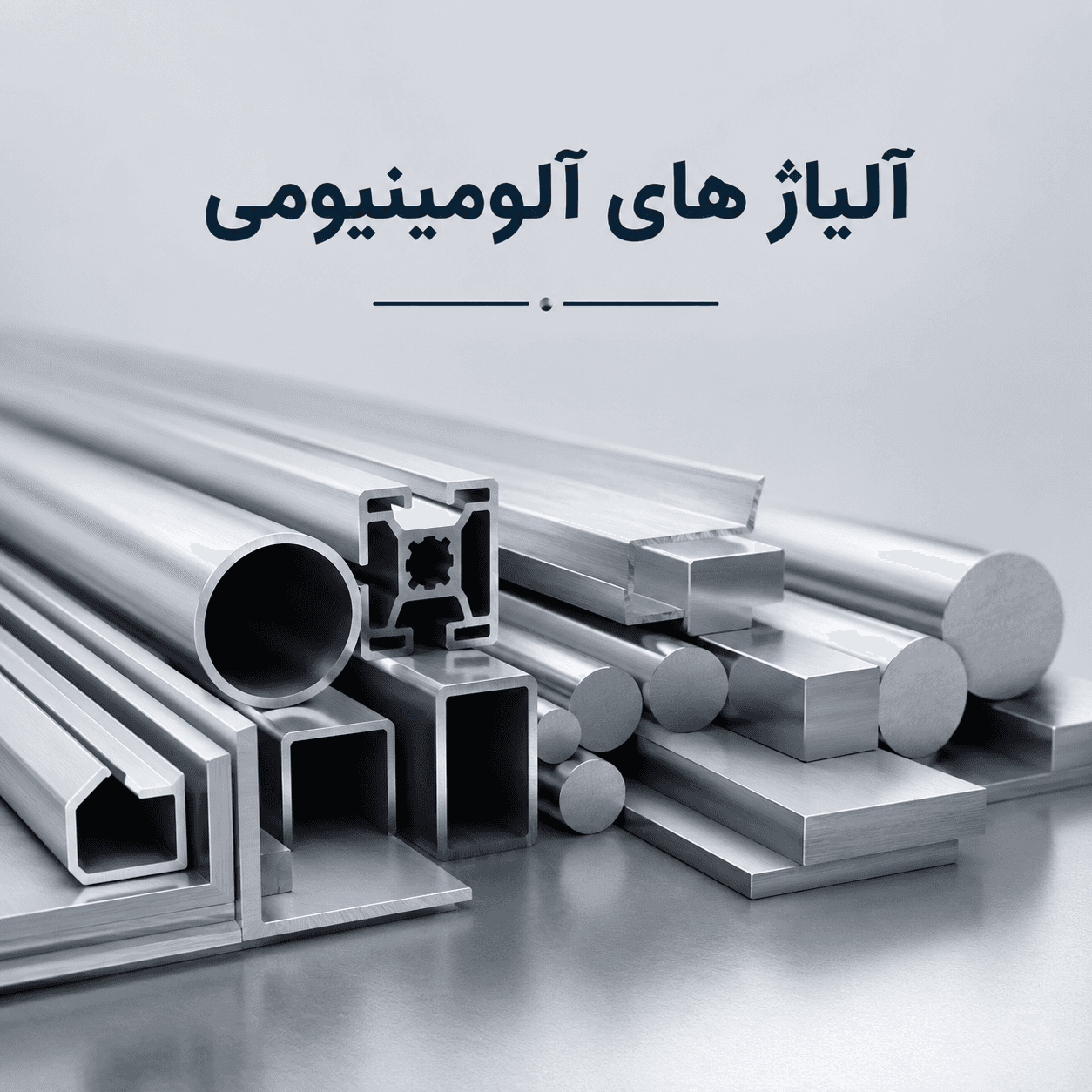
Aluminum alloys
Selecting Aluminum Alloys for Foundry Use
How to choose the right casting aluminum grade by strength, corrosion resistance, and machinability.
Pars Metal Alloy Technical TeamPars Metal Alloy Technical Team6 min read
Why grade selection matters
Aluminum alloys vary widely in properties. A wrong choice can cause cracking, poor corrosion resistance, or extra cost.
Key factors
- Required strength and load
- Service environment and corrosion resistance
- Castability and machinability
- Weldability and coatability
Common grades
| Group | |
|---|---|
| Casting (3xx.x) | Die casting |
| Wrought (6xxx) | Profiles and structures |
Exact grade and standard are confirmed after reviewing your technical requirement.
Quotation checklist
- Final part application
- Tolerance and dimensions
- Volume and schedule
Request today's price
Request a price quoteReviewed by Hesam Yasini · Operations Lead
Frequently asked questions
Casting-series alloys are typically suitable; exact choice depends on design.
Related products
Procurement aid
Aluminum Alloys
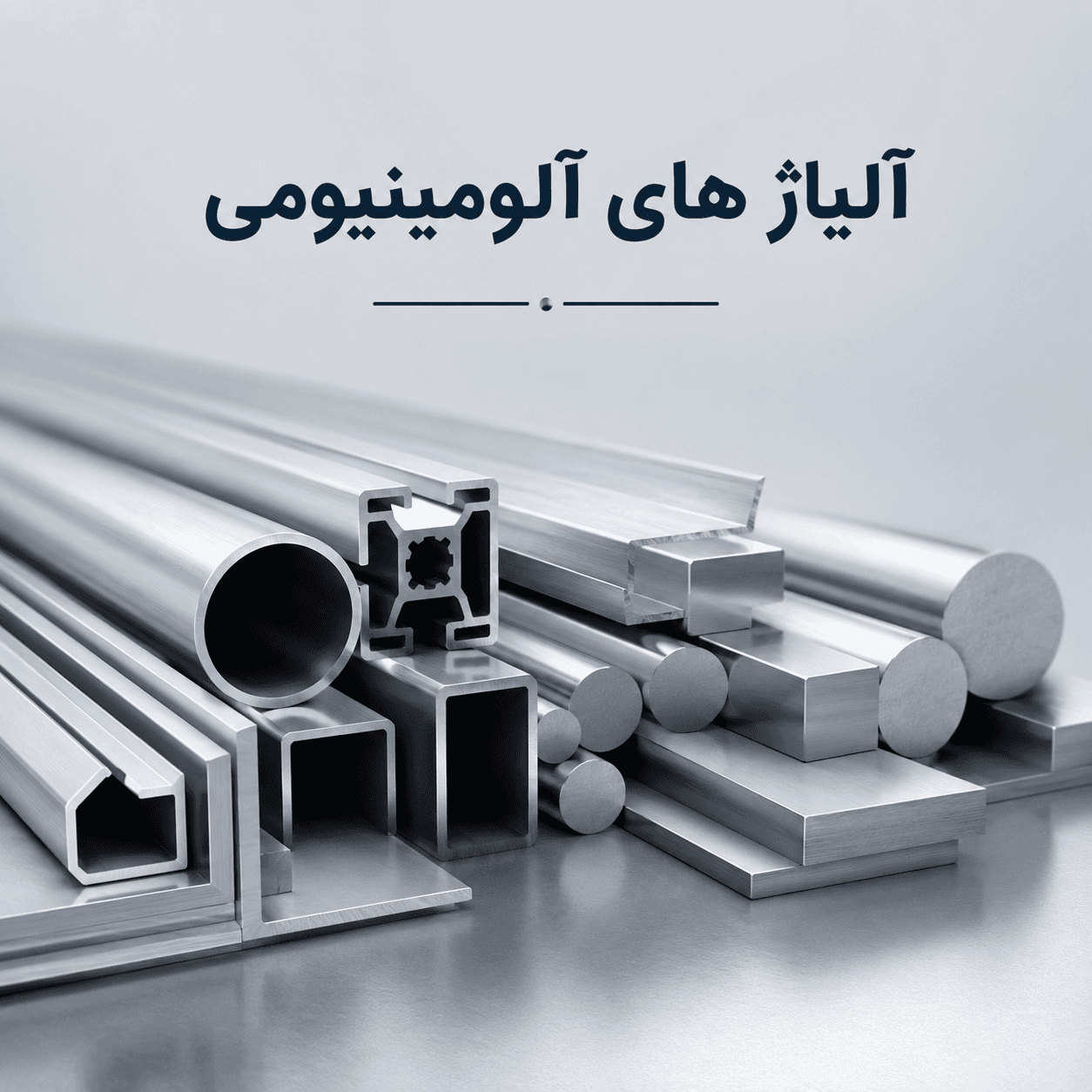
Aluminum Alloys
A range of casting and wrought aluminum alloys for foundry and manufacturing use.
- Grade
- By request
- Form
- Ingot / Billet / Slab
Available on requestAluminum alloy
View details →Procurement aid
Non-ferrous Metals
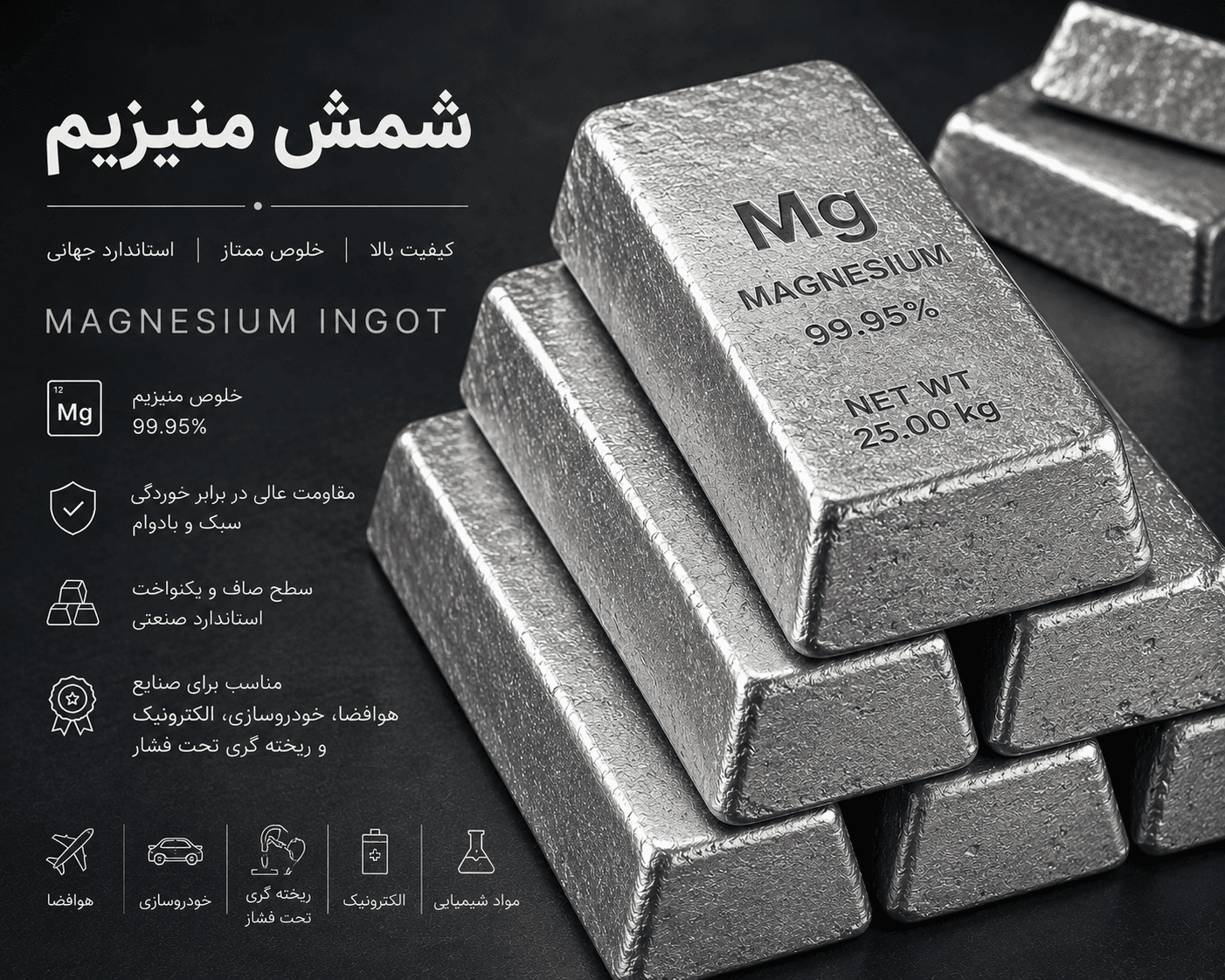
Magnesium
Lightweight magnesium for casting and industrial alloys.
- Grade
- By request
- Form
- Ingot / Alloy
Available on requestNon-ferrous metal
View details →Related articles
Foundry raw materials
How to Check the Purity of Industrial Metals
Common ways to verify metal purity and why a Certificate of Analysis matters.
Metal market pricing
Factors Affecting Non-Ferrous Metal Prices
Supply/demand, energy, freight, and FX affect prices.