
Foundry raw materials
How to Check the Purity of Industrial Metals
Common ways to verify metal purity and why a Certificate of Analysis matters.
Analysis methods
Analysis uses methods such as spectrometry and lab tests. The exact method depends on the metal.
- Standard sampling
- Lab analysis
- Match to order standard
Certificate of Analysis
Request today's price
Request a price quoteFrequently asked questions
Related products
Non-ferrous Metals
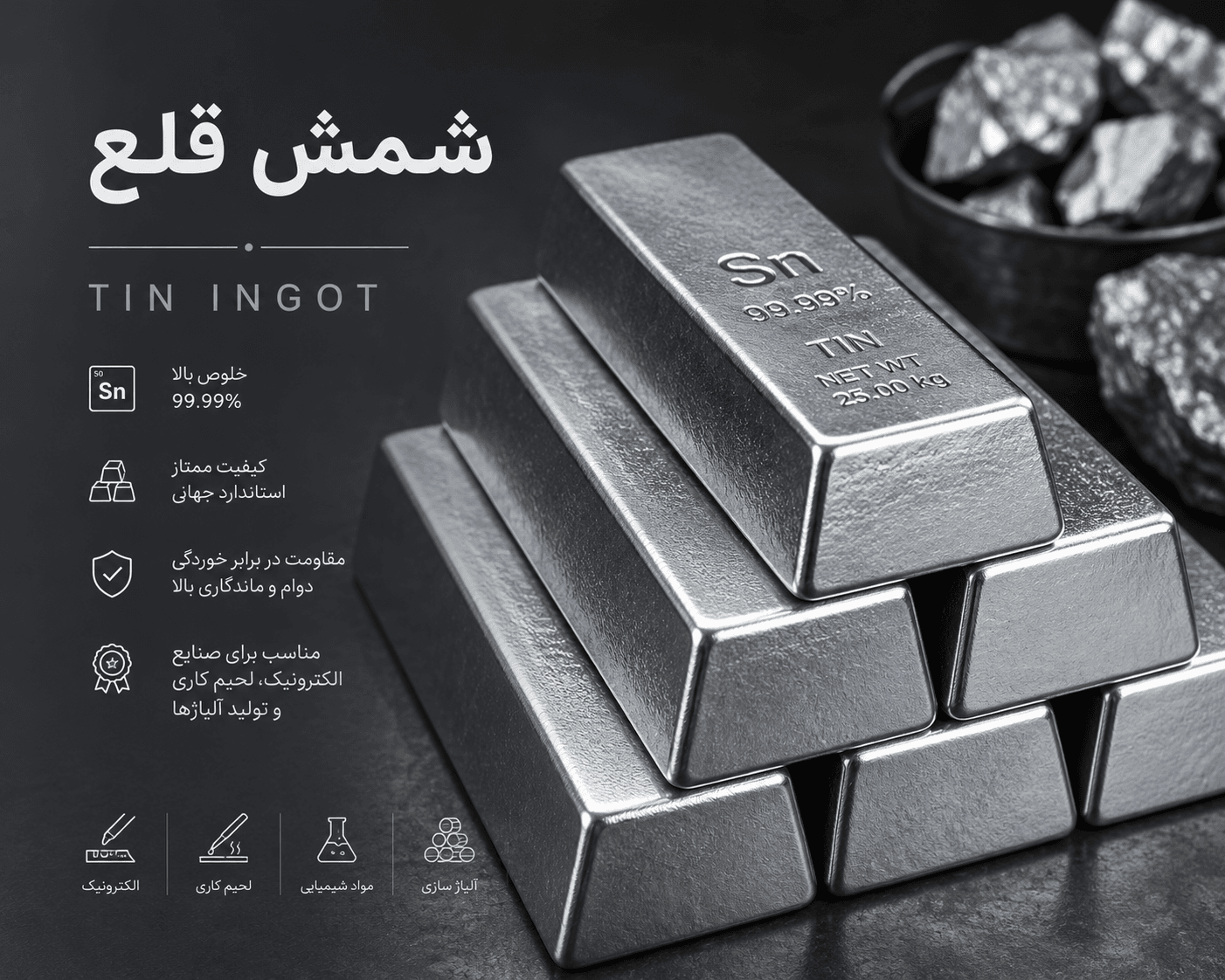
Tin Ingot
High-purity tin ingot for soldering, coating, and alloying.
- Grade
- By request
- Form
- Ingot
Non-ferrous Metals
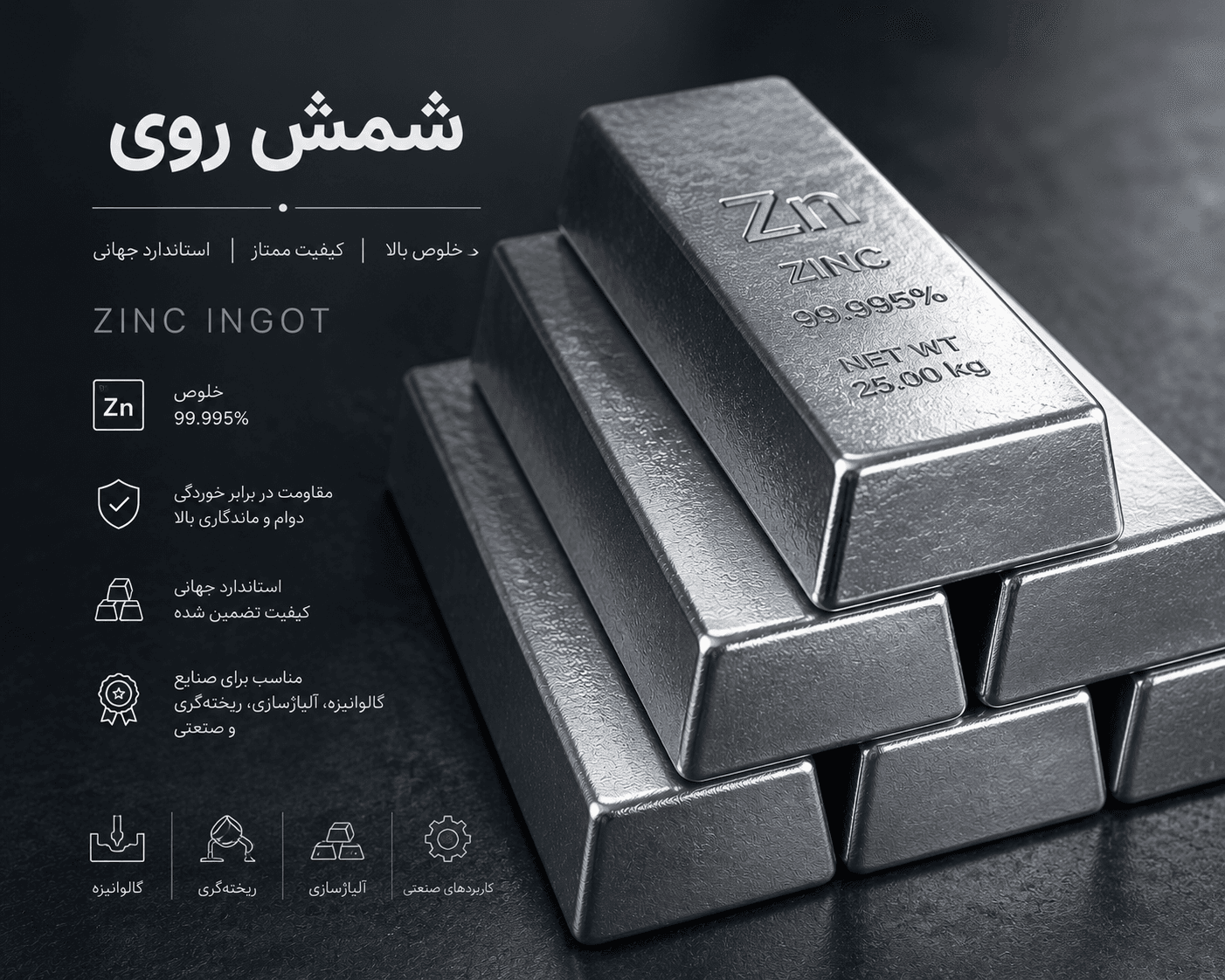
Zinc Ingot
Zinc ingot for galvanizing, alloying, and die casting.
- Grade
- By request
- Form
- Ingot
Non-ferrous Metals
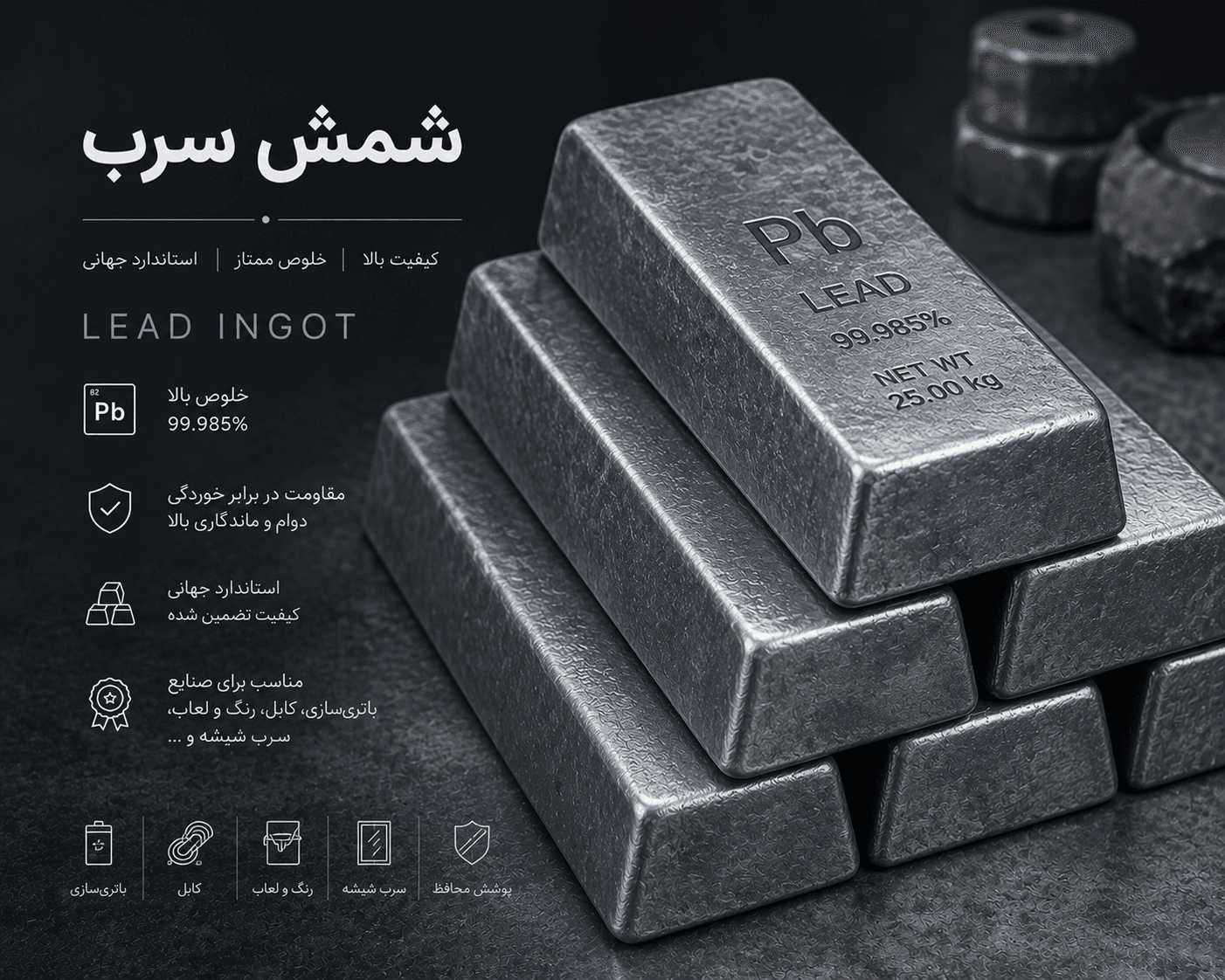
Lead Ingot
Lead ingot for battery, shielding, and alloying.
- Grade
- By request
- Form
- Ingot
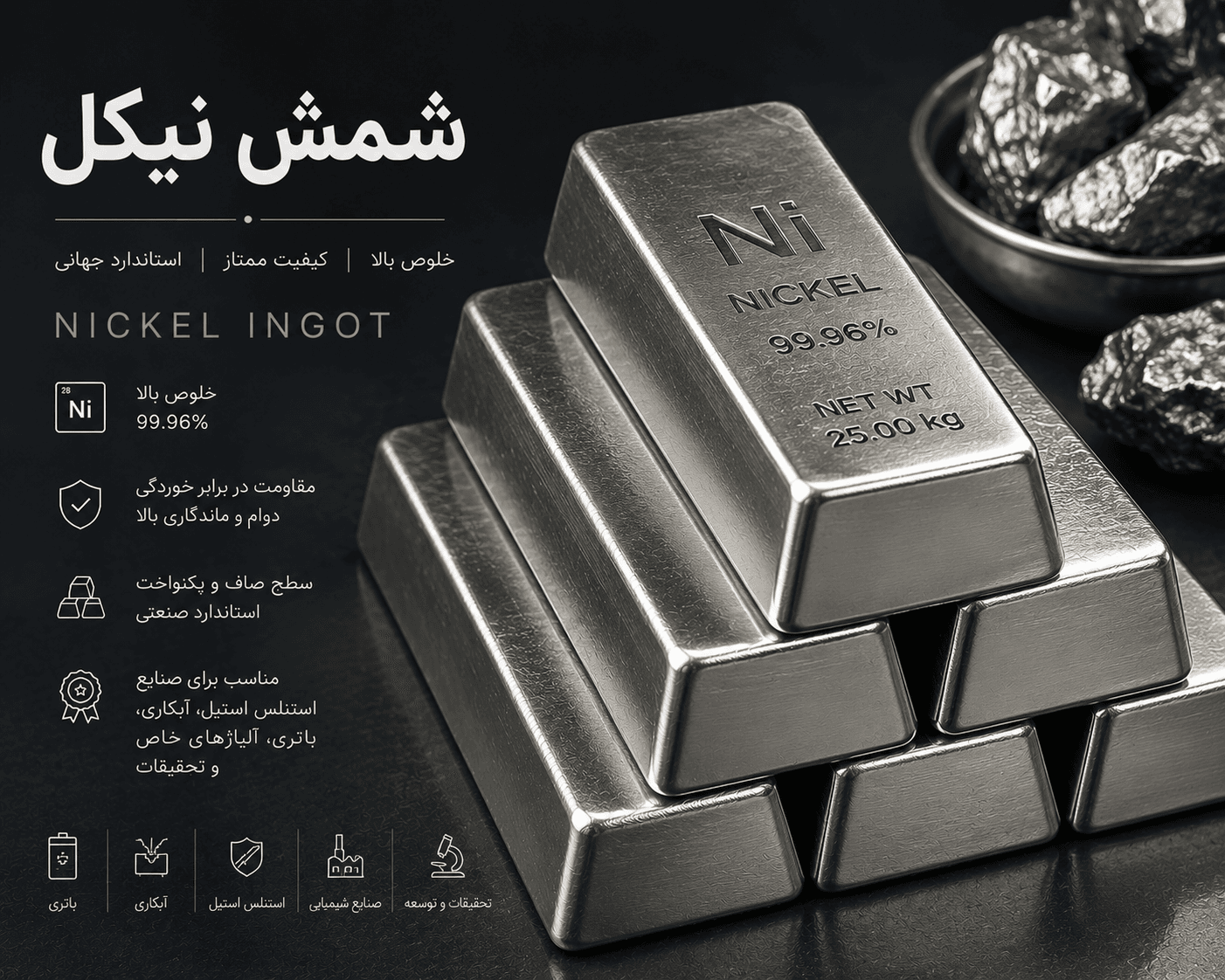
Non-ferrous Metals
Nickel
Nickel for stainless steel, resistant alloys, and plating.
- Grade
- By request
- Form
- Cathode / Ingot
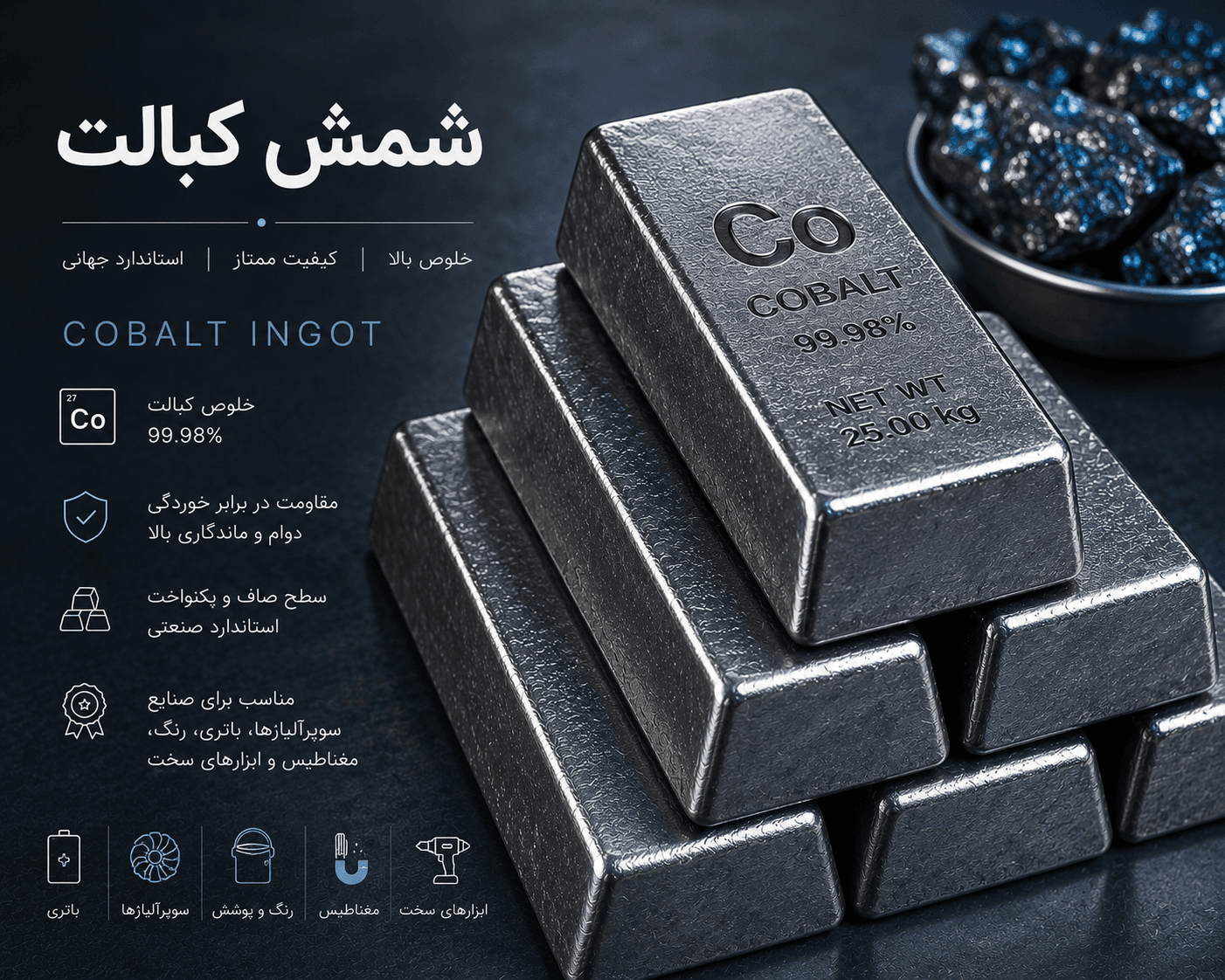
Non-ferrous Metals
Cobalt
Cobalt for high-temperature alloys and batteries.
- Grade
- By request
- Form
- Cathode / Powder
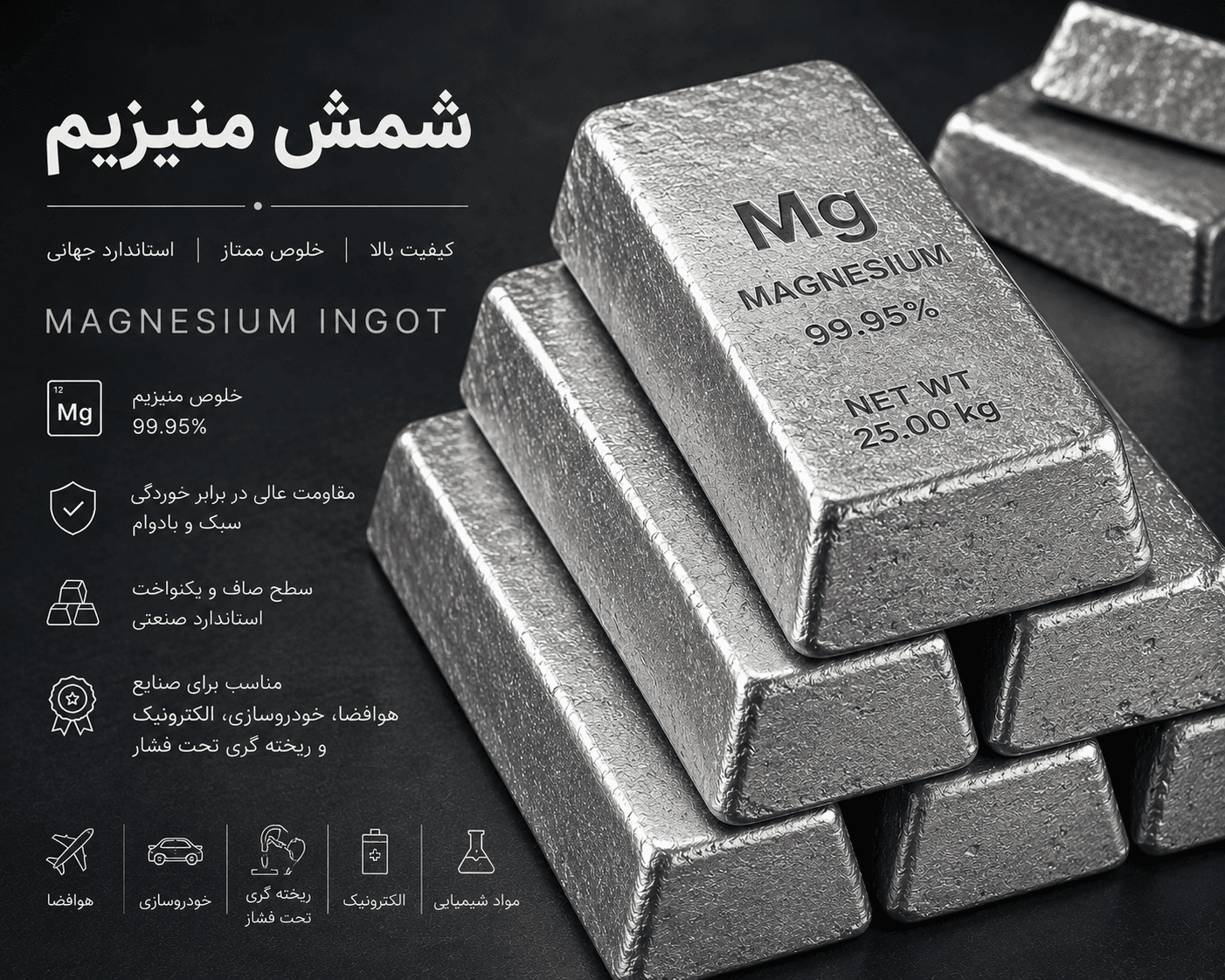
Non-ferrous Metals
Magnesium
Lightweight magnesium for casting and industrial alloys.
- Grade
- By request
- Form
- Ingot / Alloy
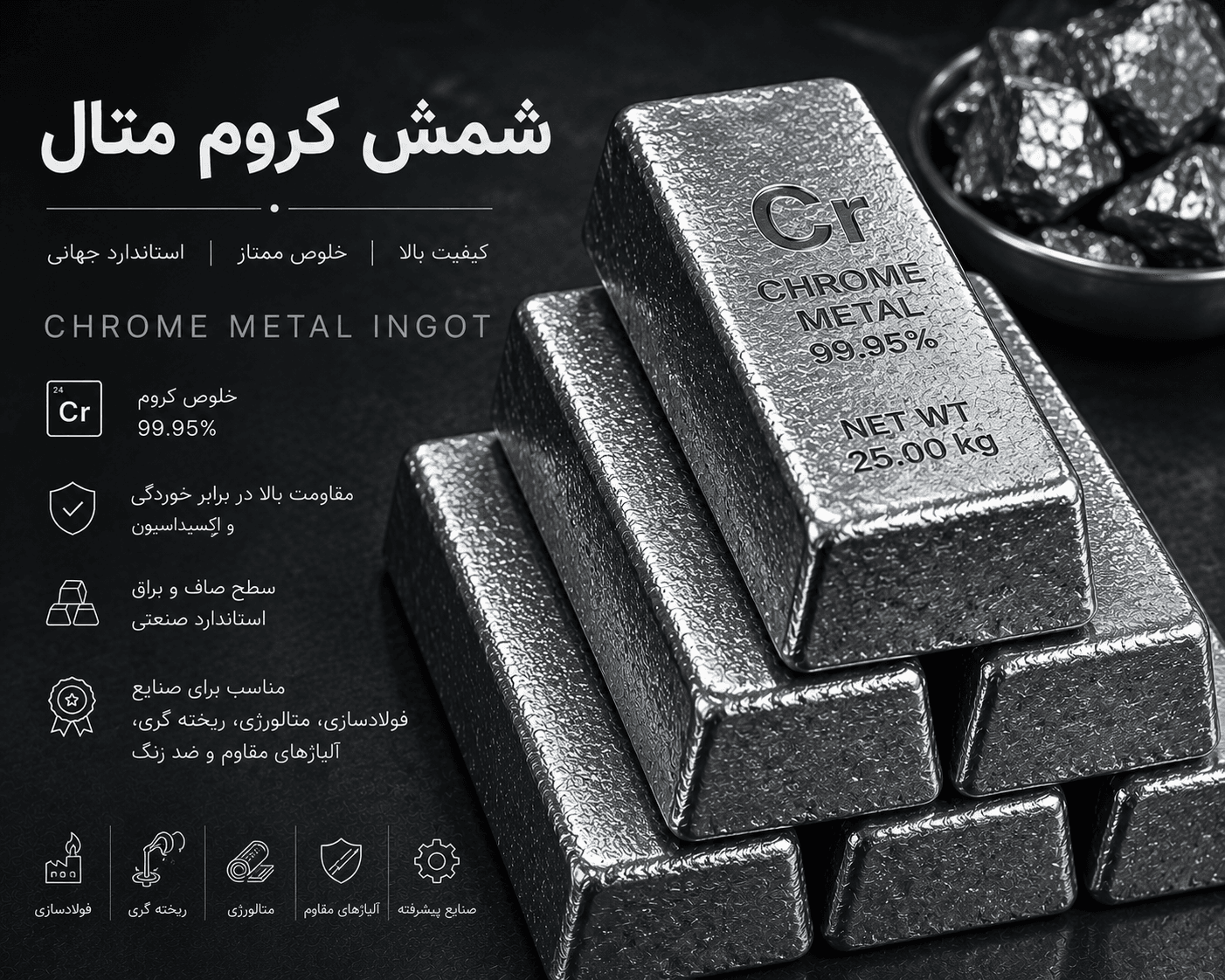
Non-ferrous Metals
Chromium Metal
Chromium metal for alloying and hard-facing.
- Grade
- By request
- Form
- Lump / Powder
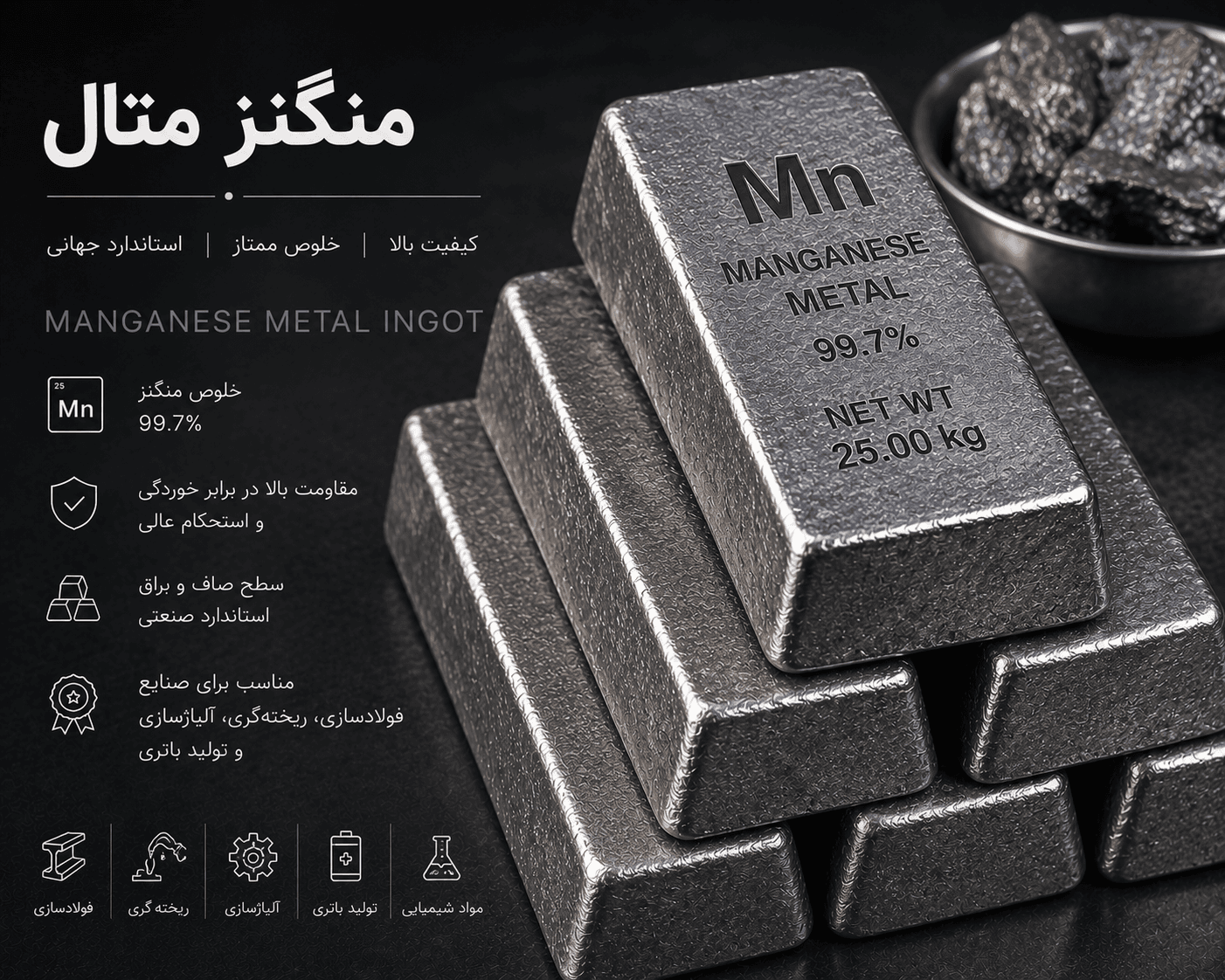
Non-ferrous Metals
Manganese Metal
Manganese metal for steelmaking and alloying.
- Grade
- By request
- Form
- Lump / Powder
Related articles
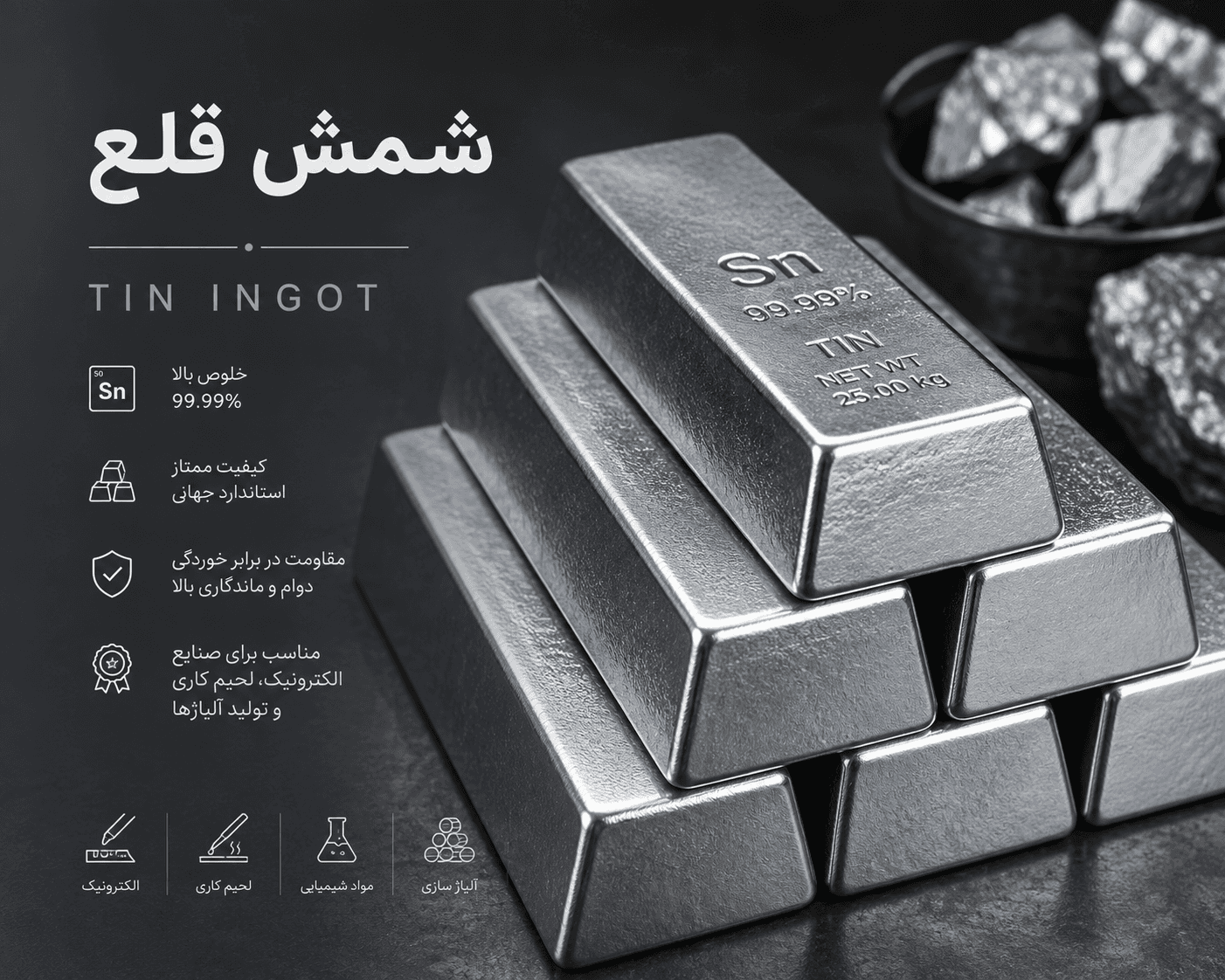
Non-ferrous metals
What Is Tin Ingot and What Is It Used For
Tin ingot uses in soldering, coating, and alloying.
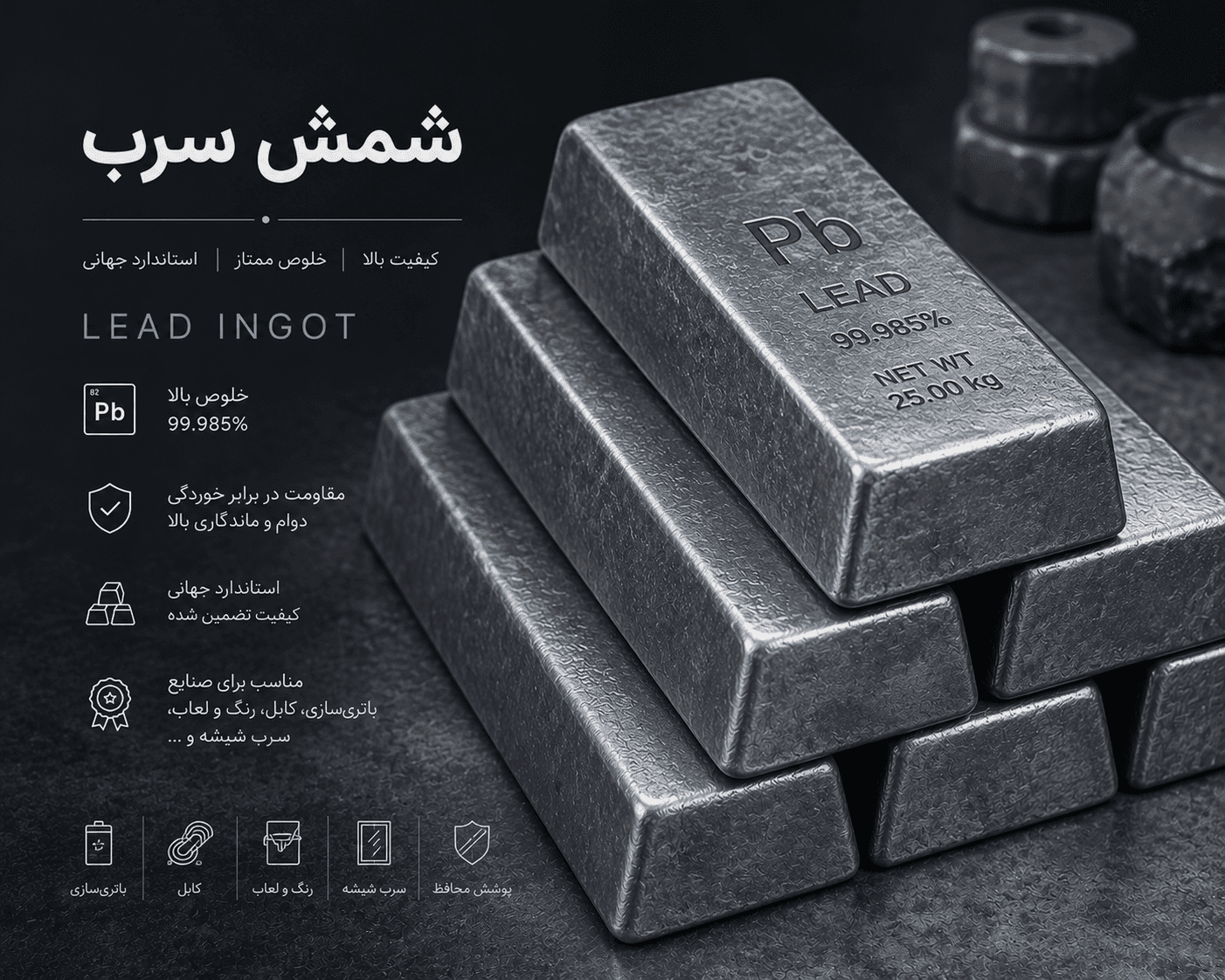
Metal market pricing
Factors Affecting Non-Ferrous Metal Prices
Supply/demand, energy, freight, and FX affect prices.